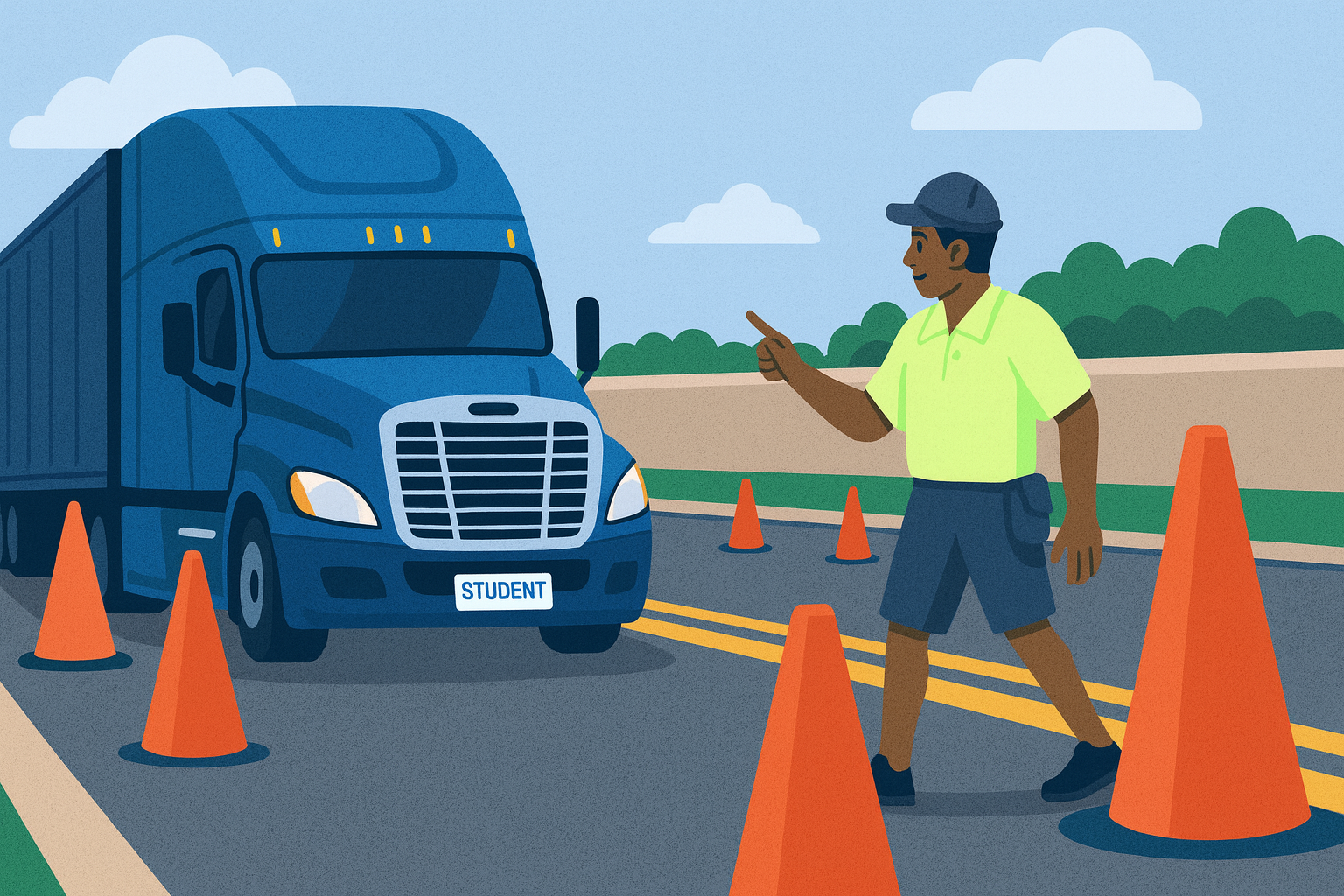
So, you’re thinking about becoming a professional truck driver? Maybe you’ve seen the freedom of the open road, the steady pay, or the opportunity that comes with doing a job that keeps America moving but you’re not sure where to start.
Well, in this complete guide you’ll learn how to become a professional truck driver in 2026. We’ll cover everything step-by-step, from choosing the right CDL school, getting your permit to passing your test and securing your first job.
By the time you finish reading, you’ll know what to expect, how to prepare, and how to set your trucking career up the right way.

Every truck driver starts in the same place… making the decision. Maybe you’ve thought about trucking for years, or maybe it’s something new that caught your attention while looking for a new career.
Either way, the first step is figuring out if the trucking lifestyle is right for you and to understand what it really takes to become and succeed as a professional truck driver.
Trucking has a lot to offer. For myself, it was the independence! No cubicle, no boss breathing down my neck, and no routine that looked the same everyday. Trucking is one of the most stable jobs in America.
Freight always needs to move, and professional truck drivers will always be in demand, even with autonomous trucks coming in the future.
According to the Bureau of Labor Statistics, the median wage for heavy and tractor-trailer truck drivers, including experienced truck drivers is $57,440/year as of May 2024.
Starting pay for new drivers is within in the $40,000 to $60,000 range, depending on the company you drive for, the routes, and how many miles you drive per week.
As truck drivers gain more experience, better opportunities to earn more becomes available. Specialized freight, dedicated routes, or owner-operator opportunities can all lead to more income over time.
Trucking is one of the few careers where longevity, consistency, and hard work really does pay off.
But for a lot drivers, it’s not just about the money. We’re part of a profession that keeps grocery stores stocked, hospitals supplied, and businesses running.
Every load matters, and you’ll realize how important your role is in keeping our country moving.
“According to the Bureau of Labor Statistics, the average wage for heavy and tractor-trailer truck drivers, including experienced truck drivers is $57,440/year as of May 2024.”
Before you decide to jump head first into trucking, I have to be honest with you about what this life looks like for a truck driver.
The freedom of the road comes with a few tradeoffs; long hours, changing sleep schedules, and a lot of time away from home.
You’ll deal with traffic, bad weather, and the occasional truck breakdowns that tests your patience.
Still, trucking teaches you things most jobs never could; discipline, focus, and how to see the bigger picture even when everything around you is going downhill.
Being on the road builds self-reliance and problem-solving skills that can carry over into other parts of your life.
The learning curve is very steep though, but once everything comes together, there’s nothing like the feeling of being in that truck on the open road.
The best truck drivers have a few unique skills that make us a little different:
If you’re dependable, detailed, and take pride in trying to do things right, you already have pretty much everything it takes for a good career in trucking.
The rest comes with time, practice and repetition.
Before committing to this lifestyle, you have to ask yourself some serious questions though.
These questions reflect what the majority of truckers go through on a daily basis:
Your answers to these questions have to be as honest as possible. Because knowing what you’re getting into will help you succeed once you start this process.
Pro Tip:
Before jumping in, take time to learn what life is really like behind the wheel. That’s exactly why Ready, Set, Truck! exists. Our mission is to help new drivers understand what to expect, avoid rookie mistakes, and build confidence before their first trip. We’ve been where you’re heading, and our goal is to make your journey smoother than ours was.
Take your time before making the decision to jump in to the trucking. Becoming a truck driver is a life changing decision and you’ll have to make a lot of adjustments.
For most people thinking about a career change to trucking, they see the money and freedom first but don’t consider the cost.
Emotionally, mentally, socially and economically, trucking can be taxing on newbies once they start the process.
This post is just the tip of the iceberg. But I wrote this article to help you understand what the process of becoming a truck driver looks like.
Before deciding, please take plenty of time to investigate the ins-and-outs of what being a truck driver really is, before going all in.
You’ll be glad you did.
I’ve seen so many people start but never even finished going through CDL school or they end up quitting within their first year.
They end up owing $3000-$8000 because they didn’t take the time to really understand what it’s really like in this industry.
In the next section we’ll go over the first step truck driver has to complete; getting your CDL permit.
This is the first real step in becoming a truck driver.

Alright, so before you can get behind the wheel of a 18-wheeler, you need to get your Commercial Driver’s License Permit (CDLP).
This is a learner’s permit, but for commercial trucks. It allows you practice driving under supervision while you’re in school.
This is where your journey really starts, and honestly, it’s not as hard as people make it seem. You just have to know what to study, understand the main concepts, and take your time while doing the permit test.
I’ll give you some of the basics that you’ll need to learn to pass the CDL permit test in a second.
But first:
The CDL permit is a temporary license that allows you to train with a qualified instructor before earning your full Commercial Driver’s License.
Most states require you to hold your permit for at least 14 days before taking the skills test for your full CDL. More on that later.
It’s good for about six months to a year depending on your state, and if it expires, you can usually renew it pretty easily.
Getting your CDL permit requires you to pass a CDL written test. Don’t think that this is something you can just wing and pass because you have a regular drivers license.
You’ll need to actually study your state’s CDL Manual (that’s like your Bible right now). You can pick up a copy in person or download it for free from your state’s DMV website.
Focus on three main sections:
There are a lot of free online practice tests and apps that make studying easier. Spend about 30 minutes to an hour a day reviewing questions and explanations.
That’s way better than trying to read and memorize everything the right before your test.
While you’re doing that, you might want to consider adding a few endorsements. They make you more valuable to trucking companies later and are much easier to get now than after you’ve started driving.
Here are the most common ones:
You don’t have to get them all at the same time. But keep in mind that if you know you want to move specific types of freight later on, having them already will save you time.
Once you’re ready, head to your local DMV or testing center. You’ll take the written test on a computer or touchscreen. Most states let you retake it if you miss a few questions, so don’t worry.
Here’s what to bring:
Once you pass, you’ll walk out with your CDL Permit in hand. That piece of paper means you’re officially cleared to start CDL school and begin your hands-on training.
You might hear other drivers talking about something called an automatic restriction. Don’t worry about it yet, it doesn’t come from the permit test.
It happens later when you take your skills test if you use a truck with an automatic transmission.
We’ll go over that in the CDL Testing section, but for now, just know it’s something to keep in mind when choosing your school and test vehicle.
Pro Tip:
Don’t skip studying just because you’ve driven cars your whole life. Trucks operate under a whole different set of rules. Go through every section of the CDL manual, even the boring ones. Understanding how a truck works before you touch the wheel will make CDL school a lot less stressful.
Getting your CDL permit isn’t optional, everyone has to have it in order to start with most CDL training programs.
When you’re checking around to different schools, one of the first questions they’ll ask you is if you have your CDL permit.
It’s generally required before you can enroll. There are a few schools that offer permit training but I personally don’t think it’s necessary.
Once you pass your permit test, your options for a training program open up a lot more.
There are plenty of options and a few things to consider before deciding which CDL school to attend.
In the next section, we’ll cover the two most common ways of getting CDL training.

Alright, now that you’ve got your CDL permit, it’s time to choose your CDL school.
This is one of the biggest decisions you’ll make early on because the school you choose determines how well you learn.
Your school also determines what kind of company you start with and even how long it takes to get your first job.
Let’s go over what your options are, what to look for, and how to avoid wasting your time and money on the wrong CDL school.
Before you decide where to train, it’s important to understand what CDL school actually does and what it DOESN’T do.
CDL training exists for one purpose: to prepare you to pass the CDL skills test required by your state and the Federal Motor Carrier Safety Administration (FMCSA).
That’s it…
The school’s job is to help you learn enough to safely operate a commercial vehicle and demonstrate it to a state CDL examiner.
Since February 7, 2022, all new drivers must complete Entry-Level Driver Training (ELDT) through a certified training provider before they can take the CDL skills test.
This rule was mandated by the FMCSA, to ensure that every new driver across the country receives consistent, standardized instructions that meet national safety and performance requirements.
Under this law:
Source: FMCSA Entry-Level Driver Training (ELDT) Rule
This law means that before enrolling anywhere, you need to make sure the school is on the FMCSA’s approved TPR list.
If it isn’t, you can’t legally test for your CDL, no matter how good they say the program is!
There are two main types of CDL training programs: Company Sponsored Schools and Private CDL Schools.
They both get you to the same goal; to get your CDL, but how you pay for it and what happens afterward are what makes them completely different.
Most professional CDL training programs in the U.S. cost between $3,000 and $10,000, depending on the state, the school, and whether lodging, equipment, and testing are included.
This is where a trucking company pays for your CDL training and covers your hotel and transportation.
In return, you agree to work for them for a certain amount of time after you graduate. Usually about a year or so.
The biggest upside? You can start training with little or no money upfront, and you’ll already have a job waiting for you once you pass all of your tests.
To me, this is the best way to get started as a professional truck driver.
The only downside is the contract. If you quit early or fail out, you’ll still owe the company for the cost of training, and that can be anywhere from $3,000 to $8,000. So before you sign anything, make sure you understand the requirements and you’re ready to commit.
Company programs are best for people who want a fast, guaranteed way into trucking and don’t want to pay out of pocket.
Just make sure you read everything before signing your name on a dotted line.
Private CDL schools are independent, meaning you pay your own tuition (or finance it) and get to choose which company you want to work for afterward.
Tuition usually runs between $4,000 and $7,000, depending on where you go. While it costs more upfront, the trade-off is freedom.
You’re not tied to a contract, and you can apply to multiple companies once you graduate.
These schools usually partner with recruiters from different trucking companies, so you can talk to several before deciding.
If you want more control over your career path, this route gives you that flexibility.
“Most professional CDL training programs in the U.S. cost between $3,000 and $10,000, depending on the state, the school, and whether lodging, equipment, and testing are included.”
If you decide to go the Private School route, choosing a good CDL school is kind of like picking a personal trainer. They all promise great results, but some actually deliver and others just take your money.
Here’s what really matters:
Smaller classes are actually better!
Look for schools that have no more than 3 or 4 students per truck. That means more time behind the wheel for you and less time sitting around watching other people drive.
Ask how much actual driving time you’ll get. You should at minimum have at least 30 to 40 hours in the truck before testing. The more seat time you get, the more confident you’ll be when it’s time to test.
Take a look at their trucks. Are they in decent shape or falling apart? Clean, well-maintained trucks usually mean the school takes training seriously.
Good schools will help their students find work right after graduation. Ask which carriers hire their graduates and what the average time is before students go out with a trainer.
Pro Tip:
Before signing with any school, call a few and ask the same set of questions: class size, truck condition, job placement, and cost. The one that gives you straight answers without trying to rush you into signing is usually the one you can trust.
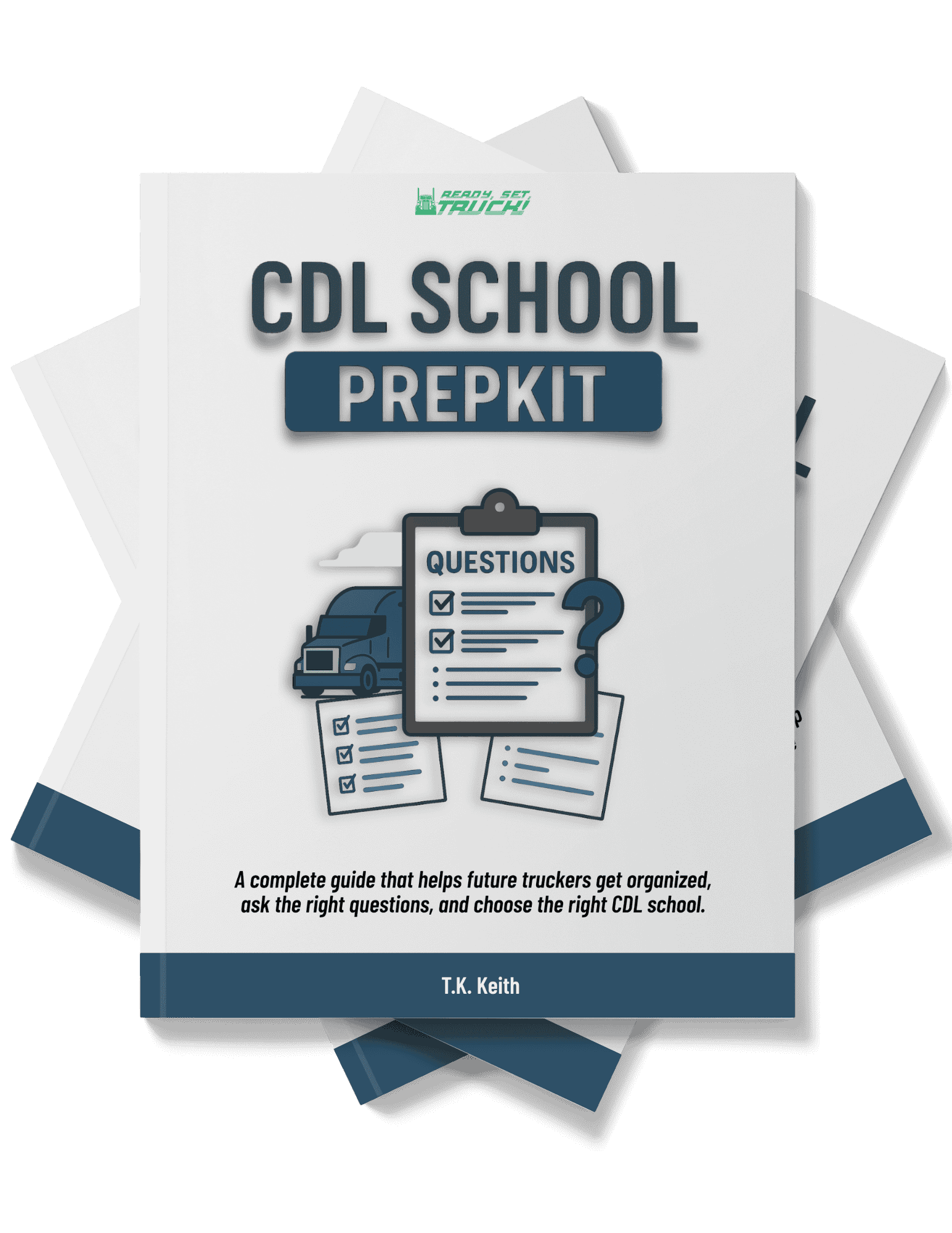
The CDL School Prepkit shows you exactly what to look for, what to avoid, and the questions that help you decide whether a CDL school is worth your time.
If you decide to go this direction, just know that trucking company programs can be a great way to get a head start, but they’re not all the same.
This is how I started my trucking career and having been a trucking trainer for 6 of my 20 years on the road. I’ve seen a little bit of everything.
Some companies just want to push new drivers through the process and get them on the road as fast as possible.
Their main focus isn’t always preparing you for the real world, it’s making sure you pass your CDL test so you can start generating money for them.
Others will take the time to make sure that you have everything that you need before putting you out there on the road.
So here’s what to pay attention to before going this route:
Ask how long you’re required to stay after training. Most contracts requirements are from 12 to 24 months.
Make sure to find out what happens if you can’t finish or decide the company isn’t a good fit.
Some carriers let you pay back the balance in small installments, while others will require the full payment right away.
After you’ve completed your CDL training, some trucking companies will pay you a weekly training pay or daily rate while you’re in their on the road training program, most don’t.
Knowing how your bills will get covered during this time saves a lot of worry later.
Ask what kind of trucks you’ll be driving once you finish training and how often you get to go home.
If your main goal is experience, long-haul OTR is the best option but you’ll be gone a lot.
If you’re hoping for more home time, check whether they have regional or dedicated routes for new drivers.
Pro Tip:
Whether you go private or company sponsored, don’t just compare cost, compare outcomes. Ask how many students pass their CDL test on the first try, how long graduates wait before getting on the road with a trainer, and what kind of support they offer if you struggle during training. The school or company that answers your questions clearly is the one that’s invested in helping you succeed.
If you’re serious about becoming a truck driver, I highly recommend going with a company-sponsored training program.
It gives you a head start, immediate job security, and lets you focus on learning instead of worrying about bills or finding a job after graduation.
While there are great private schools out there that work closely with carriers, a company-sponsored route gives you structure, stability, and a guaranteed opportunity to prove yourself.
Once you’ve found a program that checks all of your boxes, you’re ready to take the next step; preparing for life at CDL school.

Ok, now that you’ve gotten your permit and picked your school, your recruiter will send your itinerary.
This usually includes how you’ll get to the school, the address, and details for your hotel stay. For most students, this is where things start to feel real.
You’ve committed, you’re leaving home for a few weeks, and it’s completely normal to feel a combination of excitement and nervousness.
Here’s how to make this transition simple and smooth.
Pro Tip:
Before heading to school, ask your recruiter what’s does the company provide. Some companies provide basic supplies like gloves, flashlights, pens, or notepads for students. Knowing that ahead of time saves space in your bag and money out of your pocket. Download your copy of our CDL School Prepkit to know what questions to ask recruiters before going to school.
Once your recruiter confirms your start date, they’ll set up your travel arrangements.
Most company sponsored programs send a bus ticket, a rideshare/cab voucher, or will arrange for a shuttle to pick you up once you arrive.
Some might even cover a rental car or flight, but that’s extremely rare.
You’ll get an address and check-in instructions for the hotel where you’ll be staying during training. When you arrive, head to the front desk, check in, and then take time to relax.
That first moment when you finally put your bags down might feel weird but in a good way. You’ve officially started your trucking journey.
The recruiter will also let you know what time to be ready in the morning (usually very early in the morning about 5:30-6am) and where to meet the shuttle driver.
If there isn’t one, ask the front desk or get in touch with the school to help you figure out how to get to the training yard on day one.
Expect something very simple and somewhat clean, it’s not going to be a resort, but comfortable enough to rest and regroup.
Think Quality Inn, Motel 6, or Super 8. You might have to share a room with a roommate, so be considerate with lights, noise, and personal space.
Keep your area neat and your belongings in one place.
You’ll be spending most of your time at school anyway, so the hotel is mainly for rest and getting ready for the next day of training.
Most hotels offer a continental breakfast; coffee, eggs, cereal, fruit, just enough to start your day.
Schools will usually order lunch for everyone or let you pick from local menus. Dinner is usually on your own though, so bring a little extra cash for that if you can.
Keep it simple. You’re not moving in; you’re training. Bring just enough for comfort and practicality.
Here’s a solid packing list:
Make sure that you take photos of your important documents; license, CDL permit, Social Security card, birth certificate and keep them in a secure folder on your phone.
Keep the originals together in a large envelope or waterproof pouch so you don’t lose anything important.
With that in mind, avoid bringing anything bulky, fragile, or unnecessary.
Here are a few things that you should NOT bring with you:
If you really need something larger than normal, you can always ship it to yourself or pick it up locally once you’re settled in.
You’ll be living out of one bag for a few weeks, so pack as light as possible.
Here’s how to pack smart:
You’ll realize that you really don’t need much. Most students realize that they overpacked for CDL school.
Plan to wake up early and I mean really early. Most CDL schools start around 7am, which is why they require students to wait in front of the hotel at 5:30 or 6am for the shuttle.
Here’s a general first-day flow:
The first couple of days are pretty slow. You’ll spend time learning truck parts, inspection routines, and classroom info.
You don’t touch the truck usually until day 3 or later.
The keys to thriving in CDL school is structure and being flexible.
Little habits like this make the days go by smoother and will show your instructors that you take training seriously.
Pro Tip:
Keep your driver’s license, CDL permit, Social Security card, and any other paperwork your recruiter mentioned together in a small pouch or folder. Pack it in your carry-on or backpack so you never have to dig for it. Download our CDL School Prepkit, so you’ll be prepared.
Most new drivers always show up missing something important. The CDL School Prepkit gives you a clear packing checklist of what you need (and don’t need) before to get ready before you leave home.
This stage is all about showing up prepared, keeping your cool, and finding your rhythm.
The travel might feel like a lot, but that’s part of the journey of becoming a professional truck driver.
Everyone around you is new and figuring it out too, so you’re definitely not alone. Once you settle in, the nervousness goes away and focus will take over.
If you take anything from this section, let it be this: be prepared and stay flexible. The first few days test how well you adjust, not how much you think you already know.
Here’s a quick refresher:
From here, we move into orientation and classroom training where you start connecting everything you studied to the real world of trucking.

You’ve made it to CDL school! This is your first real step toward becoming a professional driver.
Whether you’ve traveled across the country or just down the street, this is where the journey officially starts.
This is where everything becomes real, it’s no longer about deciding if you want to be a truck driver, it’s about learning how to become one.
Orientation day is usually your introduction to the school’s policies, expectations, and training structure.
It’s not glamorous, but it’s important.
You’ll spend time filling out paperwork, meeting your instructors, and learning what’s expected from you over the next few weeks.
You’ll go over:
Meeting the Instructors: You’ll meet your classroom teachers and range instructors who’ll walk you through the full training process.
Tour of the Facility: Classrooms, training yard areas, and safety zones.
Day one of orientation typically lasts half a day and is pretty light. Once they get the preliminaries out the way, they either do safety briefings or an introduction to CDL theory; like basic vehicle systems, driving safety, and regulations.
Whether you’re in a private or company-sponsored CDL program, most schools will cover tuition and financial obligations during your first day or two.
If you’re attending a private CDL school, this is when you’ll finalize tuition payments, loan paperwork, or workforce funding.
If you’re in a company-sponsored program, they’ll explain the repayment terms or contract requirements, usually a commitment to work for them for a set amount of time after graduation.
No matter which route you’re on, make sure you understand what’s included in your tuition:
It’s better to ask questions to your recruiter before going and confirm before you’re surprised when you see the contract.
After the paperwork comes the overview of your program.
This is where the instructors break down what your training schedule will look like, what to expect each week, and what’s required to pass.
Every CDL school has its own set of rules, but there are a few that are universal:
This is where you start forming the habits that define great drivers; being on time, consistency, and self-discipline
The classroom portion of CDL school is where you build the foundation for everything that comes later.
This is called theory instruction, and it’s required by the FMCSA’s Entry-Level Driver Training (ELDT) standards before any behind-the-wheel practice can begin.
You’ll cover topics like:
Instructors will show a lot of videos, diagrams, and real world examples to explain each concept.
Take notes, ask questions, and don’t be afraid to admit when you don’t understand something that’s why the instructors are there.
Before moving on to behind the wheel training, students must complete and pass the theory portion required by the FMCSA.
The purpose is to help understand the main concepts of safely operating a Commercial Motor Vehicle (CMV).
This might sound small, but it’s not!
You’ll notice that your instructors are watching more than just your test scores. They’re watching how you show up, how you follow directions, and whether you stay focused.
That’s because your attitude in orientation gives them an idea of what kind of driver you’ll be later.
Show up early, pay attention, be respectful and DON’T fall asleep. Trainers can tell within a day who’s serious and who’s not.
The ones who take it seriously usually get extra help, better feedback, and even recommendations for better trainers later down the line.
So even if you’re tired or nervous, stay locked in. You don’t have to be perfect, you just have to show intention.
Your days of CDL school will continue to start very early, the daily schedule will usually look something like this once you’ve gotten through the initial paperwork:
The first couple of days of school are pretty light but it’s very heavy in paperwork, booklets and truck walk arounds.
There’s a lot to cover in CDL school which is why training can take anywhere from 4 to 8 weeks to complete.
Every school operates on its own schedule, but most follow a similar pattern to give students enough time to learn, practice, and build confidence.
Here’s the general layout of how they structure learning over the weeks:
Week 1: Foundation
Week 2: Transition to more hands on
Week 3: Range Balance and road training
Week 4: Test Preparation
This is just a general structure, not every school follows it exactly, but they tend to follow this structure. The goal is always the same though, prepare you to safely operate a commercial vehicle and pass your CDL test.
The CDL School Prepkit gives you 30+ recruiter questions that cut through the confusion and keep you from getting blindsided. Walk in confident, informed, and ready for training from day one.
Pro Tip:
Consistency is your best friend. CDL school moves fast, and it’s easy to fall behind if you’re not organized. Take notes, study materials, and keep your paperwork organized. Set aside time to review what you learned during class. This phase builds the foundation for everything you’ll do later, not only just to pass your test, but to prepare for a career in trucking.
The classroom portion can be a lot to digest, especially if you’ve never been around 18 wheelers before.
It’s not the most exciting part of being a truck driver, but it’s the foundation of everything that follows.
As you move into the next phase of the training process, everything you learned will start to make a lot more sense.
Staying organized, staying curious, and asking questions are the keys to success in CDL School.
Now that you understand what happens in the classroom, we’ll cover in detail what happens on the training yard.

This is where trucks, not videos and books, become your classroom.
The training yard (also called the range) is where every new driver learns the basics of handling a commercial vehicle in a safe, controlled environment.
In the first few days, your instructors will keep you close to the trucks but not let you get behind the wheel.
You’ll walk around them, learn the parts, and start memorizing your pre-trip inspection but before we go further, there’s something you need to know about the kind of trucks you’ll be training on.
Depending on your school, you’ll either train on a manual or automatic truck.
If you attend a CDL school that uses automatic transmission trucks only, then your CDL will include an “E” restriction after you pass your test.
Which means you’re only legally allowed to drive automatic trucks.
You won’t be qualified to drive vehicles with manual transmissions unless you go back later and retest on a manual truck to have that restriction removed.
Here are the main differences between the two:
Most major trucking companies in the U.S. have switched their fleets to automatics, so you’ll still have plenty of job opportunities if you only trained on automatic trucks.
However, if you want to get into specialized trucking or higher-paying jobs; like flatbed, tanker, or certain regional hauls, you’ll have to retest to get the restriction removed, and then get manual transmission experience.
So, if you’re thinking long-term, make sure to ask your recruiter or instructor if they have an option to train on a manual truck before you finish school.
Even if you never plan on driving one full-time, it’s always better to have the option open.
You won’t be qualified to drive vehicles with manual transmissions unless you go back later and retest on a manual truck to have the automatic restriction removed.
The first few days of your hands-on training will be spent on the training yard doing pre-trip inspections and learning how trucks work.
You’ll walk around them, starting at the front of the truck, working your way to the back, pointing and calling out each component, saying things like:
“Air lines: no leaks, no cracks, properly mounted and secure.”
Instructors will also show you the correct way to enter and exit the cab, using 3 points of contact, and how to communicate with spotters.
Students will spend a lot of time observing and helping each other out, slowly getting comfortable being around big equipment.
The goal isn’t just to memorize the parts of a truck, it’s to understand what each part does and how to tell when something’s wrong.
Pre-trip inspections are broken down into sections (engine, coupling, trailer, in-cab), and you’ll practice until you start having dreams or nightmares about it.
That repetition might feel redundant at first, but it’s exactly how you build muscle memory in trucking.
The better you know the truck and how it works, the easier everything else becomes later.
So, it doesn’t matter how fast you try to move through the training, what matters is how well you understand what you’re doing.
Pro Tip:
Ask your instructor if you’re allowed take pictures or videos. If they do, have a fellow student record you calling out the parts as you walk around the truck. It’s really a cheat code to study the different parts later. Being able to review yourself later and hear exactly what you’re missing will make understanding a lot easier. Back when I started, we didn’t have smartphones. I would’ve loved to have videos that I could’ve referenced to help me pass my CDL test.
Schools will are required to train students according to the FMCSA’s Entry-Level Driver Training (ELDT) standards.
To become a licensed truck driver, every student must demonstrate proficiency in vehicle inspection before testing.
This includes:
Your instructor will have you repeat the same inspection process every morning before you start.
It may feel repetitive, because it is, but repetition is what will help you pass your CDL test.
Most students say that this is the hardest parts of CDL school, not because it’s complicated, but because it’s all about paying attention to detail and memorizing parts of the truck and trailer.
Once you’re familiar with the truck and have a grip on pre-trip inspections, you’ll move on to basic vehicle control.
This is where you first get behind the wheel and learn how the truck responds.
You’ll practice basic maneuvers on the range:
Expect a lot of stop-and-go movement, grinding gears (if you’re in a manual), and plenty of orange cones.
The first few times behind the wheel can feel awkward. The truck feels huge, and everything happens faster than you expect.
Don’t worry, that’s normal. Every driver had that same “this thing has a mind of its own” moment.
The instructors expect mistakes, that’s why they’re there. Focus on progress and getting better. The more you drive, the more natural it’ll feel.
After you’ve gotten straight-line backing under control, you’ll move up a step to more intermediate backing maneuvers like offset backing and alley docking.
These exercises teach you how to position a trailer in different scenarios. Each backing maneuver builds on the previous one.
You’ll start learning how to judge space, use mirrors properly, and recover from small mistakes while in motion, all without panicking.
Your instructors will guide you step by step, to help you focus on trailer angles and pivot points.
Next comes coupling and uncoupling, one of the most important safety skills you’ll learn.
You’ll practice:
These steps will become part of your daily routine once you’re on the job.
Missing one step here could mean serious safety issues later so your instructors will make sure you can perform this perfectly before moving forward.
By now, you’re moving around the yard more comfortably.
You’ll learn how to communicate with hand signals, coordinate with other students, and develop habits that carry into being on the road, like scanning your mirrors, maintaining space, and double-checking everything.
This part of training is as much about discipline and awareness as it is about skill.
You’re learning how to think like a professional driver; always cautious, always aware of your surroundings, and always trying to get better.
Pro Tip:
Everyone learns at a different pace. Some students pick things up fast, while others need a few extra days to get a little more comfortable. Don’t compare yourself to anyone else, just focus on getting better than you were the day before.
I’m going to be real with you, this probably the hardest part of becoming a truck driver.
The biggest mistakes most students make are:
Here’s what helps:
You’ll be surprised how quickly things start to make sense once you’re around trucks every day.
This phase is where you build the foundation for becoming a truck driver.
You’re learning the language of trucking, the mechanics of your equipment, and how to start thinking like a professional driver.
It’s not pretty, and there will be long days when your head’s spinning but every truck driver who’s legally sat in the driver’s seat started right where you are.
You have to stay patient, consistent, and keep showing up. The next step is The Driving Phase, where you’ll finally take the wheel and start putting what you’ve learned into motion.
The training yard is where everything from the classroom starts to become real life.
You’ll grind gears, oversteer, and probably hit a few cones, but that’s how every truck driver starts off.
The key is to stay patient with yourself and trust the process. Every mistake you make in training is one less you’ll make on the road.
Next up in we’ll move into The Driving Phase, you’ll head out of the yard and onto the public roads.
That’s where you’ll learn how to handle traffic, navigate highways, and build real confidence behind the wheel.

After spending a week or two learning how to handle the truck, backing between cones, coupling and uncoupling trailers, and making smoother, more confident moves around the yard.
Now comes the moment every CDL student both looks forward to and fears at the same time, taking that big truck out on public roads for the first time.
The next big step is putting all those hours of practice to test in a real world driving scenario.
It’s one thing to drive inside the safety of the training yard but it’s another to do it in live traffic, with cars, stoplights, and people walking.
Your first trip on public roads usually happens once your instructors feel confident that you can handle the basics on the range.
They’ll take about three or four students and head out to a rural area that has a good stretch of flat road first.
The instructor will start the drive, then after about 3-4 miles, pull over and have a student switch into the driver’s seat.
From there, you’ll drive through a small town or industrial area with light traffic.
You’ll be practicing:
The first moment that you get behind the wheel, you will feel tense, but that’s normal. Every student experiences a combination of excitement and fear on their first time.
Just remember, your driving instructor has control of the truck if needed. You’re not really on your own yet.
Every truck driver remembers their first time driving a truck on a public road. It’s frightening, it’s awkward, and feels like the biggest step you’ll ever take in your life.
I still remember my first time back in 2005. It was a moment I’ll never forget.
Back then, there weren’t any automatic trucks; everything was manual. Shifting through gears felt like there were a hundred moving parts that I had to piece together in less than 5 seconds.
Between trying to remember what I had been practicing on the training yard, dealing with oncoming traffic, and keeping this giant machine rolling without it stalling out, it was a lot.
But I got through it and after a few times behind the wheel, I started to feel a lot more comfortable behind the wheel.
Shifting became smoother, the order of the pedals started to make sense, and I began to actually feel like the truck was an extension of me, instead of feeling like it had a mind of its own.
That’s when my confidence really started to grow.
The key is to listen to your instructor, stay calm, and keep showing up. You’re not memorizing steps, you’re building muscle memory.
Every time you get behind the wheel, it gets a little easier and starts to feel a lot more natural.
“Back then, there weren’t any automatic trucks; everything was manual. Shifting through gears felt like there were a hundred moving parts that I had to piece together in less than 5 seconds.”
Driving time in CDL school is limited, so make every minute count. When it’s your turn, focus on what your instructor corrects first.
When it’s someone else’s turn, pay attention and watch what they do. You can learn just as much from watching others as you can from driving yourself.
Here’s how to get the most out of your time:
Confidence comes from repetition, not speed. Don’t rush. Learn to slow down, breathe, and guide the truck. Remember: The brake is your best friend, use it but not too much.
“When it’s someone else’s turn, pay attention and watch what they do. You can learn just as much watching others as you can from driving yourself.”
After a few trips, you’ll start feeling more comfortable.
The gears won’t grind as much, your turns will get cleaner, and you’ll start anticipating traffic instead of reacting to it.
This phase is all about learning how to control the truck; how it moves, how it leans, and how long it takes to stop.
You’ll start picking up habits that stick with you for life:
You’ll also start understanding something every professional driver knows, confidence doesn’t come overnight, it takes repetition from time behind the wheel.
The more time you spend behind the wheel, the more natural it starts to feel.
You’ll begin to predict how the truck moves, how much space you need to turn, and how to gauge distance while using your mirrors.
Every sign of progress matters. Maybe you made a nice button hook turn for the first time, or your ability to handle curves felt smoother.
Those small wins are what build your confidence. Your trainers might not notice as much but it means a lot to you.
Keep a daily log of what you’ve did well and didn’t each day.
It doesn’t have to be a novel, just write down a few notes on things you did well and things you want to improve next day.
You’ll be amazed at how much progress you’ll see in just a week.
Pro Tip:
Always expect the unexpected. Most drivers don’t know what it’s like to handle 70 feet and 30,000+ pounds of metal. Your job as a professional truck driver is to drive responsibility and defensively, not reactively.
Once you’ve got city driving down, your instructor will take you on longer routes that include highways, on-ramps, and faster speed zones.
This is where space management, scanning mirrors, and situational awareness become your best friends.
You’ll be:
The first time you merge onto a highway in a semi-truck, it feels bananas but by the third or fourth time, it starts to feel normal.
Every student makes mistakes. The key is learning from them. Some of the most common issues for new drivers during this phase are:
When these things happen, and they will, remember to learn why something did or didn’t happen. Every mistake teaches you something useful for your CDL test and future career as a truck driver.
Instructor Tip:
Don’t let frustration get to you. I’ve trainer for over 6 years and every student learns at a different pace. The students who improve the most aren’t always the ones who start out the best, they’re the ones who stay open, receive correction, and keep showing up wanting to learn. Keep in mind, every good driver you see on the road today was once making mistakes just like you.
The Driving Phase is where you go from “student” to “driver.”
You’ve moved past the intimidation, learned to trust the process, and starting to become a real truck driver.
You’re learning to handle a real truck in real situations, not only how to pass a CDL test.
It’s definitely a challenge, but it’s also where you start to see the light at the end of the tunnel.
Enjoy this stage.
Keep showing up.
Keep learning.
Every hard day, every mistake, and every time behind the wheel is getting you ready to become the truck driver that you set out to be.
Next, we’ll move into Step 8 - CDL Testing, where everything you’ve been learning literally gets put to the test.
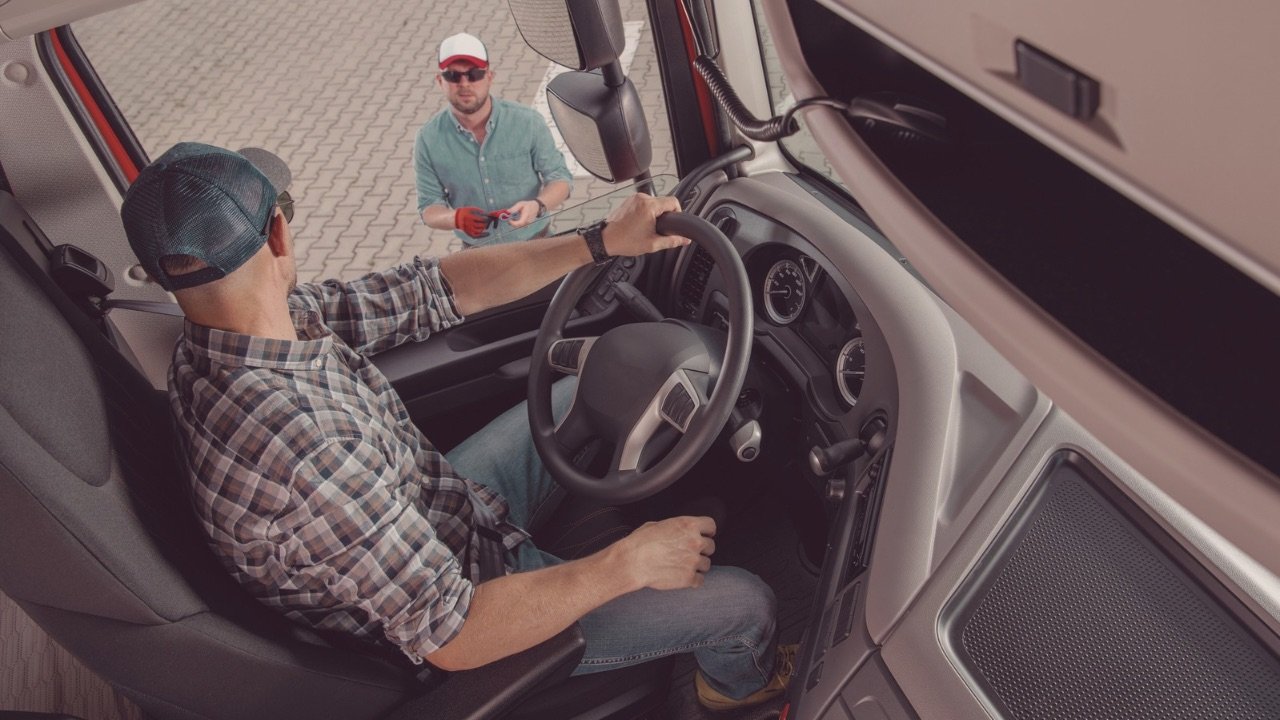
This is the moment you’ve been working toward; the test that officially turns all your efforts into a CDL.
You’ve spent weeks studying, driving, backing, and learning every little part of a truck. Now it’s time to show what you’ve learned.
Passing your CDL exam is the checkpoint that separates student from licensed driver.
This step walks you through everything you need to know: the parts of the test, what maneuvers might be included (old vs modern formats), how the road test works, and what comes next after you pass.
You’ve made it this far, so trust what you’ve learned. Test day isn’t about being 100% perfect, it’s about showing that you know your stuff.
The test examiner isn’t going to try and trick you, they just want to see if you can safely handle a truck. So if you can, get there a little early, stay calm, and treat it like another day of training.
Here’s what to do before you start:
Even though you’ve been practicing for weeks, test day just feels different. I still remember being nervous, wanting to get it over with but also hoping I didn’t mess up.
It’s a big moment, and the pressure alone can trip students up. Most students don’t fail because they can’t drive, they fail because test day feels overwhelming.
Back in 2005 when I was in CDL school, there was a student who was at the top of our class.
I mean, the instructors loved him. In training, he passed every written test, drove like he had been out there for years, and backed like a pro.
But when test day came, he failed MISERABLY.
It wasn’t because he didn’t know the test requirements or that he couldn’t drive, it was because the pressure hits different when someone’s watching and grading your every move.
The CDL test isn’t just about skill; it’s about how you respond to pressure and if you can stay calm under it.
Here are some of the most common reasons students fail and how you can avoid making the same mistakes:
1. Being Nervous and Rushing Through
2. Weak Pre-Trip Explanations
3. Poor Setup and Mirror Use
4. Forgetting to Use GOAL (Get Out And Look)
5. Not Following Instructions
6. Lack of Practice Time
Want a deeper breakdown of the top CDL test mistakes (with real examples and scoring details)?
Read our full post: Why Students Fail the CDL Skills Test (and How to Avoid It).
The CDL test isn’t just about skill; it’s about how you respond to pressure and if you can stay calm under it.
Now that you know what causes most students to fail, let’s break down what the CDL test actually looks like.
Once you understand how it’s structured and what each part tests, it will make the whole process a lot less intimidating.
After knowing what to expect, you can focus on doing what you’ve already practiced instead of trying to guess what’s coming next.
The CDL skills test is divided into three main parts:
Each section builds on the last. It’s like proving you can crawl, walk, and then run, only this time, it’s with 80,000 pounds of truck and trailer.
Passing all three is required to get your CDL.
If you look at your CDL test day like another practice day. You’ll be able to stay calm, trust your training, and treat each section as something you’ve rehearsed over and over again before.
Before any driving begins, test examiners will want you to inspect the vehicle. This isn’t just pointing parts, you’ll walk around the truck explaining each component, what it does, and what you’re checking for.
This is exactly what you’ve been doing for weeks now:
“Airline: No cracks, no leaks, properly mounted AND secured.”
These phrases should’ve become like scripture by now. The examiner just wants to see that you know your equipment and understand safety.
This section is the first and most important part of the CDL test. A lot of students fail here before they ever get a chance to move the truck.
Again, it’s not because they don’t know the parts, it’s because they skip steps, forget explanations, or rush through what should be a slow process.
The pre-trip covers three main areas:
The in-cab portion catches students off guard because it’s easy to forget the small details especially under pressure.
Things like identifying the fire extinguisher, spare fuses, or triangles are easy to do but are also easy to not do also.
This part of the CDL test can vary state to state.
Some states have adopted a modernized skills test format; others still use the classic maneuvers. You need to be ready for both.
All that you’re doing is showing the examiner your ability to use your mirrors, make adjustments and handle the truck in tight spaces without hitting any cones.
It’s a little closer to real-world truck stops, parking lots and pickup/delivery locations but the idea is still the same: control, observance, and awareness.
The modern version’s aim is for more fluid backing maneuvers that test precision and awareness in smaller spaces.
It includes four maneuvers:
These maneuvers flow together, meaning where you end up becomes the starting point for the next maneuver.
The new testing guidelines are designed for a smaller testing areas with consistent scoring, which helps examiners evaluate drivers easier.
These maneuvers also build on top of one another, meaning where you end up becomes the starting point for the next maneuver.
The new testing guidelines are designed for a smaller testing areas with consistent scoring, which helps examiners evaluate drivers easier.
In most of these states, Parallel Parking and Alley Dock are guaranteed, but the others (Offset or Straight-Line) will depend on the examiner or testing site.
Because every state and examiner can differ slightly, your best bet is to make sure that you practice all of them so you’re ready no matter what version you get.
You might not know which version of the test until you arrive at the test site. That’s why it’s smart to prepare for both the modernized and the traditional maneuvers.
Use your pull-ups and Get Out And Look (GOALs) wisely, they’re there to help you, not hurt your score.
Most states allow a few before points start coming off, so know your limits. Focus on setup, slow movements, and mirror awareness more than speed.
Examiners care more about your precision and awareness than how fast you can finish.
In the next section, we’ll go over each type of backing maneuver, what the examiner is looking for, and how to practice them the right way.
This is the most basic backing maneuver, you’ll be backing the truck in a perfectly straight line between two rows of cones.
Sounds easy, but this one tests your steering control and mirror awareness. The key is to make small corrections early instead of waiting until the trailer drifts too far off-center.
If the trailer starts drifting, gently steer toward the problem to bring it back in line.
That means if you see more trailer in your left mirror, steer left. If it’s showing in your right mirror, steer right.
Small adjustments are better than big ones.
“If the trailer starts drifting, gently steer toward the problem to bring it back in line.”
Think of it like sliding the truck from one lane over to the other lane that’s next to you.
One space over, either to the left or to the right. You’ll pull forward at a slight angle to set up your move, then back the trailer into the new lane.
This test shows that you can control your trailer while backing at an angle and use your mirrors effectively.
It’s not a straight line, you’re backing at a small angle to move the trailer over.
Setting up your truck and trailer is everything. Take your time, and once you start backing, remember the rule; turn toward the problem.
If your trailer starts drifting left, steer left to correct it. It sounds backward at first, but it’s the simplest way to remember how to keep your trailer lined up.
Use your pull-ups and get-out-and-looks (GOALs) as needed. The examiner would rather see you take your time and adjust than rush and hit a cone.
The examiner doesn’t care about how many times you pull up, they care that you’re in control and that you don’t hit a cone.
“If your trailer starts drifting left, steer left to correct it. It sounds backward at first, but it’s the simplest way to remember how to keep your trailer lined up.”
This is one of the harder backing maneuvers for students because it’s backing into a space while at a 90-degree angle from where you started.
They call it the “backing into the dock” move that you’ll do plenty of times in the real world. But the truth is how you’ll back in the real world will vary from situation to situation.
However, for the test:
The key is to watch the trailer’s movement and make adjustments. Again, it’s all about setup, timing, and making corrections.
Slow, steady steering makes a huge difference. Once the trailer is about halfway in, straighten your steering and ease it in the rest of the way.
This maneuver is usually toughest for new students because it requires backing into a space that’s parallel from where you start.
It’s part of the CDL test that makes sure that you understand setup, angles, and trailer control.
While it’s not something you’ll do every day on the job, there are moments when it’s the only option you have.
I’ve been driving for over 20 years, and while it’s not a move I use everyday, I’ve had to do it at some rest areas and busy truck stops where space was tight and every parking spot was taken.
So it’s a skill worth knowing.
For the test, you’ll pull up parallel the space, drive past it, then set your angle, and use your mirrors to guide the trailer into position.
This backing maneuver is all about precision, timing and patience.
Because your trailer blocks so much of your view, it’s one of the most dangerous backing types besides blind-side backing.
When you start losing sight of your trailer tires or feel unsure about your spacing, stop, Get Out And Look (GOAL).
Check what’s going on behind you, on your sides, and even in front of the truck before you continue.
Once you have a clear picture, make small, controlled adjustments. Hard turns get you lined up, but gentle corrections to slide you right into the parking spot.
Pro Tip:
The golden rule of backing is; no matter the maneuver is, slow down, stay calm and Get Out And Look. The truck only does what you allow it to do. Your setup followed by small adjustments early will save you big corrections later. If something doesn’t look right, stop, pull up, and start over. That’s what real drivers do every day on the road.
Once you pass the maneuvering portion of CDL test, it’s time to hit the road with the examiner.
They’ll guide you through a route with turns, intersections, lane changes, and sometimes a little highway driving.
They’ll grade you on:
This part of the test is strictly about how safe you are as a driver. If you stay calm, follow directions, and drive like you’ve been taught, you’ll be fine.
Treat the road test like any other day of training.
The examiner isn’t out to fail you, they just want to see that you can drive safely without needing someone to correct you.
This is the step where all your hard work pays off. You’ve gone from curious to confident, from student to professional.
The test might feel like a finish line, but it’s really the start of your new career.
Take a moment to celebrate, you’ve earned it!
But don’t get too comfortable. The next step shows you what happens after you’ve passed your CDL test and have completed your training.

You’ve made it through the hardest part, which is getting your CDL. That alone deserves some serious respect.
You’ve spent weeks studying, backing, testing, and proving you’ve got what it takes to start a career in trucking.
But even though you’ve got your license, your journey as a professional truck driver is just now starting.
Graduation looks a little different at every school. Some schools keep it simple; a handshake, a photo, and a “good luck” speech from your instructor.
Others go all out with certificates, group pictures, and a mini ceremony. Either way, it’s a moment to celebrate.
You’ve earned something that can change your life and open doors all across the country.
Once you finish, your school will finalize your paperwork and send proof of your training to your state licensing agency.
Your state has to verify your training certification before your CDL can be issued. That process can take anywhere from a few days to a couple of weeks depending on where you live.
While you’re waiting for your hard copy CDL to arrive, your next steps start to look a little different depending on whether you went through a company-sponsored program or a private CDL school.
If you attended a trucking company for your training, you’ll go to company orientation. Then you head home to self-certify your DOT medical card and wait for your official CDL card to arrive in the mail.
Once you’ve self-certified your medical card and received your CDL hard copy, you’ll reach out to your student coordinator or the training department to be assigned a trainer.
However, if you went to a private CDL school, your process is different. You’ll finish your training, pass your test, and then go home.
You’ll also have to self-certify your DOT medical card at your states DMV and wait for your CDL to arrive in the mail.
During that downtime, you’ll decide which company to work for. This means filling out applications, and talking to recruiters.
Once your license is in hand, you’ll be able to schedule a company orientation and begin your new driver training phase.
Important Note:
Stay in contact with your recruiter and student coordinator during this waiting period. Confirm they’ve received your test results and ask when they plan to bring you back for orientation. Be sure to download the CDL School Prep Checklist to know exactly what to do during this part of the process.
Before you can legally drive as a professional CDL holder, you must self-certify your DOT medical card with your state’s DMV.
This step confirms that you’ve been medically cleared to operate a commercial vehicle and that your medical examiner’s certificate is officially linked to your CDL record.
Each state handles this process a little differently, but most allow you to submit it online, by mail, or in person at your local DMV office.
Do not skip this step. If you fail to self-certify within your state’s deadline, your CDL can be automatically downgraded to a regular driver’s license.
Which means you’ll have to start this whole process all over again.
After weeks, maybe a few months of studying, working hard, long days, and early mornings, it’s finally time to enjoy yourself.
You’ve earned that break.
But before you kick back too hard, there are a few things you need to think about.
The period between passing your test and getting your physical CDL in the mail is EXTREMELY important!
This is the time when most students let their guard down and for some, it ends up costing them everything.
Trucking companies know new graduates like to celebrate and they understand it 100 percent. What they don’t tolerate is a driver with poor judgment.
You are now a CDL holder, even if that plastic card isn’t in your hand yet. That means you’re held to the same legal and professional standards as any other commercial driver.
If you get caught drinking and driving, using drugs, or even riding with someone who’s impaired, your CDL could be suspended before your driving career even starts.
Trucking companies will often do random drug and alcohol tests right before sending new drivers out with trainers.
If anything shows up, even recreational marijuana that’s legal in your state, it’s a career-ender before it even starts.
It’s okay to celebrate.
Go hangout with your friends and family, take a few days to enjoy, eat some good food, and feel good about what you’ve accomplished.
Just do it responsibly. You worked too hard to lose your opportunity before your first mile on the road.
What comes next depends on where you trained and how you got here.
Trucking companies will often do random drug and alcohol tests right before sending new drivers out with trainers.
At this stage, every new driver takes one of two paths. The next steps depend on whether you went through a company-sponsored CDL training program or a private CDL school.
Both paths lead to the same goal: getting behind the wheel of your first truck but how you get there is slightly different.
If you trained through a company sponsored program, you’re already connected to a carrier. That means your next step happens faster.
Most students go straight into orientation right after they pass their CDL test. This is where you’ll handle your new hire paperwork, learn company policies, meet your fleet managers, and go over the training program.
If you decided to go to a private CDL school, this part of the process is different from those who trained through a company program.
You’ve got your CDL, but now it’s up to you to find a carrier that’s willing to bring you on with no experience.
This part can feel stressful, especially if you financed your CDL training.
You’ve just completed one of the hardest steps, but now you have bills, tuition payments, and waiting time before your first trucking paycheck hits.
Start reaching out to recruiters and carriers as soon as you pass your test. Many companies will begin the hiring process before your physical CDL arrives.
Some even offer tuition reimbursement programs, helping you pay back what you spent on school once you start working.
If your CDL school has partnerships with carriers, take advantage of them. Many will bring in recruiters during your last week of training to help you get your foot in the door early.
Ask questions, get numbers, and don’t be afraid to compare offers.
Not all companies are the same.
Some pay a higher rate per mile, others focus on getting you home more often, and a few offer dedicated routes or regional positions that fit certain lifestyles better.
Be selective, the company you start with shapes your trucking career.
Don’t take the first offer just because it’s there. Look for a company that invests in training new drivers and has a clear upgrade process for when you finish your time with a trainer.
You want to start somewhere that helps you grow, not somewhere that just wants another driver in a seat.
When I was in CDL school with Schneider National, back when they still had a company-sponsored training program.
During the first couple days of class, the head instructor said something I’ll never forget. He pulled out his wallet, took out his CDL, held it up, and asked the class, “What is this?”
Everyone in the class said, “It’s your CDL.”
He shook his head and said, “Nope, this is a gold card. If you keep this in good standing, it will always allow you to work and make good money.”
That stuck with me from 2005 until now, and it’s something that I taught every one of my students.
These rules will help you to never put yourself, your license, or your truck in a situation that could risk your career.
Here are the Golden Rules of trucking that I live by and if you follow them, your CDL will always take care of you:
These are the habits and rules that have kept my CDL spotless for two decades. Because of that, I can work pretty much anywhere I want.
Your CDL isn’t just a license. It’s your freedom, your security, and your “gold card.” Protect it like it’s worth everything, because it is.
You’ve came a long way from deciding to become a truck driver, to getting your CDL and officially stepping into the trucking world.
That alone deserves some serious respect.
But this is where the real journey begins. CDL school taught you how to pass the test. Now it’s time to learn how to do the job the right way, the professional way.
Whether you’re heading home to wait for your hard copy or preparing for orientation, keep your head focused on the big picture.
A lot of new drivers make the mistake of thinking they can officially relax right after they pass. Don’t. You’re now representing yourself as a professional truck driver.
The next step is where everything starts to get real; learning how the company side works, meeting your trainer, getting paid while you train, and being out on the road.
So yeah, celebrate your win, but do it reasonably. Then get ready for what’s next. Because now, you’re not just a student driver… you’re a professional in training.
Next up: Step 10 – Student Driver & Company Orientation, is where you’ll learn what happens when you step inside orientation, how student pay works, and what to expect before going out with your trainer.

You’ve earned your CDL and now it’s time to learn how to use it.
Student driver and company orientation is where your trucking career officially starts. It’s your first opportunity in trucking.
No matter if you trained through a company sponsored program or a private CDL school, you’ll go through some form of hybrid orientation.
Trucking companies understand that newly licensed drivers need hands-on training before going out in a truck on their own.
This orientation has two parts: Company Orientation and Student Driver Orientation and both are important next steps.
Your introduction to company expectations will happen in orientation. This part of the process usually takes 2 to 5 days, depending on the company.
This is where you’ll learn about learn the company’s rules, safety standards, and procedures.
Here’s what usually happens during company orientation:
Once that’s done, you’ll move to the next stage; Student Driver Orientation, which focuses on their training program.
This is where the training department takes over.
You’ll meet the training staff and student coordinators, who are responsible for managing your progress once you get with a trainer.
They’ll walk you through how the training program works and what’s expected from you and your trainer.
Here’s what’s typically covered:
As I mentioned in Step 9, you have to self-certify your DOT medical card with your state’s DMV and have your CDL in hand before you can go on the road.
This waiting period usually takes about 1-2 weeks, depending on how fast your state processes the paperwork.
Use this time wisely, don’t get into trouble, just get some rest and be ready to go as soon as the training department assigns you a trainer.
Pro Tip:
Most companies pay student drivers a flat weekly rate while they’re out with a trainer. It’s usually between $600 and $900 per week, depending on the carrier and region. It’s not great money yet, but you’re being paid to learn, and the experience you gain will set you up for real paychecks once you’re out there by yourself.
As someone who’s been through a lot of company orientations, I can tell you, they’re not the most exciting part of trucking.
But they are important.
Orientation is where you learn what the company expects from you and what kind of driver they want representing their name on the road.
Pay attention, even when it feels repetitive.
Ask questions, take notes, and start learning who’s who in the company, especially the people in the training department and dispatch.
They’ll be your main contacts once you start running with your trainer and later when you go solo.
Keep in mind, the main goal of orientation is setting expectations and making sure everyone's on the same page.
How you handle yourself here says a lot about the kind of driver you’re going to be for the company.
Up next, we’ll get into the part most new drivers look forward to (and sometimes fear a little): going out on the road with a trainer.
This is where the real learning begins.
This is the second to last step of when trucking really begins. No more short drives, practicing pads, or backing drills.
Now it’s the real deal; with real freight, real customers, real roads, and real deadlines.
You’re about to be connected with the most important person in your early trucking career.
For the next few weeks, your trainer is the key person that will teach you how to be a truck driver.
They lay the foundation for driver you’ll become; the good habits and bad habits. Some trainers are patient, professional, and genuinely invested in seeing you succeed.
Others are just in it for the paycheck.
The truth is, you’ll learn something from both; what to do, and sometimes what not to do. Either way, this experience will shape the kind of driver you become.
When I first started, the trainer I had was professional but didn’t have a ton of patience. He was cool though I went to his house, met his family, and stayed in touch for a few years afterwards.
Over the years and after becoming a trainer myself, I met other drivers who had been through some horrible experiences with trainers.
Some told me about how they were best experiences they ever had.
Others have told me about getting into fist fights, being abandoned, and cussed out by their trainers.
That’s why before you hit the road, it’s important to have a conversation with your trainer to get an idea of what you can expect.
Some personalities work well together, some don’t work well together.
But this is how the first interaction usually goes….
Before you step foot on your trainer’s truck, you’ll get a call or text from your trainer after the training department has given them your info.
That first conversation is your chance to get a feel for how they are as a trainer.
Keep in mind, you’re about to spend the next few weeks or months living and learning from this person, so it’s okay to ask questions. Matter of fact, I recommend that you do.
Here are a few questions you should ask to get an idea of what they expect and build rapport with your trainer:
These might sound intrusive, but trust me, they’re important. The answers tell you what kind of routine you’ll need to adjust to and how you should start mentally preparing for it.
Again, every trainer is different.
Some stay out for months at a time, while others go home every weekend. Some like silence when they drive others listen to music or the radio.
You won’t really know their quirks until on the truck with them.
However, this first call is pretty casual. This is also when they will setup an estimated day, time and place for pickup.
Most trainers will have you meet them at the company terminal after their home time, at a yard where their truck is parked, or sometimes they’ll come by to pick you up if you don’t have a ride.
That first meeting is pretty chill. You’ll introduce yourselves and have a little small talk. Keep it professional, but laidback.
They’ll help you put your things away, show you around, and just have a light conversation.
Once you’re both settled into the truck, your trainer will go over truck rules and how they want things to work.
Next, you and your trainer will go over any training paperwork what you’ll need to upgrade once this portion is complete.
They’ll then explain how they like to run their clock (whether they prefer to drive during the day or at night) how they handle the daily routine, how they schedule meals, showers, and restroom breaks.
The main thing to keep in mind, is that this isn’t your truck! You’re a welcomed guest, but treat everyday like you’re invited into someone’s home.
If you do that, you shouldn’t have a problem with your trainer.
This is also a good time to ask any questions you might have about the training schedule, expectations while you’re on the road and how often you’ll get home time.
The best trainers treat their student like a temporary roommate being hospitable, patient, and understanding, while keeping safety and respect at the forefront.
As a trainer, I handle all the trip planning, scaling, and dealing with loads at first and then gradually give students more responsibility.
However, some trainers might expect for students to get a lot more involved on the very first load.
After being a trainer for a while, I’ve learned that the best relationships are built on open communication, mutual respect, and understanding.
If you start off listening, asking questions, and keeping an open mind, you’ll get along great with 90% of the trainers out there.
Pro Tip:
After your trainer sets the ground rules for how they want the truck to run, it’s super important for you to also set the rules for what and how you want to learn from them. As a trainer, you come in contact with a lot of different personality types. Some students work better with gentle corrections while others need a more firm hand. So don’t be afraid to tell your trainer how you feel you need them to teach you.
You’ve officially moved into your new home: with a complete stranger. And not just a complete stranger, a complete stranger in a truck.
“How did it get here?” you wonder…
You’re in a tight space that’s constantly moving, all while trying to learn how to do a job in a new career field.
Living on the road with your trainer isn’t like being in school anymore. There’s no set time that your day ends, no going back to your hotel, and no for stopping.
You’ll be with your trainer 24/7: driving, sleeping, eating, and farting. It’s not always pretty, but it’s one of the most valuable experiences you’ll ever have in your life.
You’ll learn how to manage your time, trip plan, handle customers, fuel, scale loads, back into tight docks, deal with weather, traffic, and fatigue.
All while trying to get some rest and find learn from someone else.
I always tell my students: enjoy this time out here with me. When you’re on your own, the experience is a lot different.
You don’t have anyone to fall back on, that means every decision you make affects the rest of your driver career and life.
The adjustment to the truck’s motion, the noise, and sleeping while it’s moving can take some time for student to get use to.
It’s pretty typical for students to feel exhausted or tired, but after a few days, their body starts to adjust. Once it does, they start to settle in.
Good trainers understand this adjustment takes time. They’ll be patient, help you with the routines, and check in to make sure you’re good.
They’ll also expect you to communicate. If something doesn’t feel right; from how the day’s going to how much sleep you’re getting.
Speak up respectfully. Most trainers appreciate honesty and maturity more than silence.
At this stage, it’s less about passing a test and more about how to manage your time, handle the stress, and learning how to live the life.
That’s what makes the difference between a driver who just squeezes by and one who excels in trucking.
Trusting your trainer’s process is key. Because it’s their truck, their setup, their system, their way of doing things.
They’ll go out of their way for you, if you treat them and their space with respect.
Keep your things organized, clean up after yourself, and treat their truck better than you’d treat your own house.
Again, it’s not always pretty! But if you stay observant, you’ll learn what to do and what NOT to do. They both are important going forward.
That first week on the road with your trainer isn’t about running miles or knocking out big loads, it’s about your adjustment.
You’re still getting used to the rhythm of life on the road, the constant moving, the sounds, and the reality that you’re now doing this for real.
Most companies start trainers with new students off with short solo-style runs, usually under 500 miles.
You’ll eventually be considered a team truck, but in this phase, your trainer is in the passenger seat the entire time watching, guiding, and helping you build your stamina and confidence.
A typical first week looks something like this:
This is usually when I have to remind my students of the #1 rule of my truck: “If you think you’re tired, let me know! Don’t wait until you’re tired to tell me.”
Once that first week wraps up, you’ll start to find your groove. You’ll feel less like a student and more like a truck driver in training.
That’s when the company starts treating you and your trainer as a true team truck, and the real miles begin.
By the second or third week, students start to feel a lot more comfortable. You’ve got your rhythm down, you’re handling longer runs, and trucking is starting to feel easier.
This is where the training shifts gears. The company now sees you and your trainer as a team, so you’ll begin running team loads.
You’re no longer doing short, regional runs. Now you’re traveling across multiple states running day and night, and learning how to manage your clock for real.
Your trainer will still be watching and coaching, but you’ll be taking the lead more often.
They’ll make sure to correct mistakes that could cause major problems before sitting in the passenger seat less and sleep while you drive.
They start trusting you to handle the truck safely.
It’s around this time when confidence starts to build and so does the friction. Living in a small space with another person 24/7 can test anybody’s patience.
Add in long hours, little sleep, and constant movement, is a recipe for conflict if you’re not careful.
I’ve seen it happen so many times.
The first week, everyone’s all nice and polite. But by week two or three, people start getting comfortable with each other and sometimes too comfortable.
Maybe the trainer starts getting short with you, or maybe you start feeling like you know more than you really do.
That’s when small things turn into big arguments.
Here’s my personal advice:
Keep your cool. You’re there to learn, not argue.
Communicate with your trainer the best that you can. If something’s bothering you, give it sometime and say it in the most respectful way that you can.
If all else fails, let your trainer know and reach out to the training department if the relationship between you and your trainer isn’t a good match.
There are other trainers who might be better suited for you. Don’t let the fact that switching trainers might slow this process down.
Trying to “get it over with” is not the purpose of this phase.
It’s better to switch trainers that have a different approach to training. That way you’ll have a good training experience that you can benefit from the most.
This is one thing that I know, good trainers want to see you succeed.
Their job is to correct, push, and help you and they might not always have the best approach.
You might feel uncomfortable, but that’s part of the process. Take it with a grain of salt. Your trainer is a human too, they’ll make mistakes.
Some of them have personal problems going on at home, exhausted from overworking themselves and don’t always have the best people skills.
Students that make it through this phase are the ones who can separate emotion from correction and keep on going.
The bigger picture in this phase, is to understand how to do the job, learn how to manage your time, communicate with dispatch, and be a professional truck driver.
You’ll still have plenty to learn on your own, but this is the point where trucking stops feeling like training and starts feeling like a career.
On the flip side, if your trainer did their job right and you did yours, by the time training is coming to an end, it won’t feel like a job anymore.
It’ll feel like spending time with family.
You and your trainer have been through a lot together. Long days, tough loads, missed turns, late deliveries, bad weather, and good laughs.
You’ve shared the cab, stories, and time on the road that only real truckers truly understand.
Somewhere along the way, the stranger you met a few weeks ago has became your mentor, your guide, maybe even your friend.
As the time together is finally coming to a close, emotions can hit hard. I’ve had students cry as the time to move on comes closer and honestly, I get it.
You’ve went from meeting a complete stranger, spending everyday together in a 7x7ft house, to suddenly getting ready to say goodbye to someone who helped shape who you will become in your trucking career.
But I tell my students something like this as the time comes closer:
“It’s time for the little bird to fly.”
That’s what this phase is about; learning the ropes, building your confidence, and proving that you can handle the responsibility that comes with being a professional truck driver.
Now it’s time to show yourself that you can do it...
This part of the process is very near and dear to me. After being a trainer for over 6 years, with a few different companies, I can tell you that it’s an amazing experience.
To see students come in and by the time they’re ready to move on to the next phase, they’re completely different people.
I’ve students go from timid to confident, from being horrible when they started to being attentive and excellent decision makers.
Being a trainer was one of the best decisions that I made in my trucking career. I would do it a thousand times again.
Not only have I seen my students change, but I’ve also seen myself change over the years. One of my favorite quotes goes like this:
“Inside of every student there’s a teacher and inside of every teacher there is a student.”
With every student I learn something new and that if you really treat people how you want to be treated, it has the potential to change someone’s life when you’re no longer around.
The real key to trucking isn’t mastering the truck, the road, the shippers, the log books, it’s mastering yourself.
The goal is progression and to get better everyday. That will also include being a better person every single day.
In the next section, we’ll go over what the upgrade process looks like for most students and what you’ll need to do before your first load.

This is it. The final checkpoint and the moment everything you’ve learned is put to the final test.
You’ve ran the miles, completed your training hours, and checked every box your company required.
Now it’s time for the big one; testing out and earning your spot as a solo driver.
Over 20 years ago when I went through this part of my training, I didn’t know how to feel at first.
You go from having someone beside you at all times to about to be the one that has full responsibility over that truck.
But that’s exactly what this phase is for–proving that you can handle the truck, the paperwork, and the pressure that comes with it on your own.
Trucking company might call this stage the testing out or upgrading, but really it’s a graduation.
You’ve gone from student to driver-in-training, and now you’re stepping into full independence.
It’s normal to feel nervous about your final test. Every driver does. But the truth is, you’re more ready than you think.
The long days and late nights, the mistakes and lessons, the advice and stories have all been preparing you for this.
You’ll carry a part of your trainer with you wherever you go, whether it’s a trick they taught you for backing or a saying that sticks in the back of your head when it got tough.
That’s what this phase is really about, passing you the torch.
“Testing out” is the final test before you officially upgrade from student driver to company driver.
It’s the company’s way of making sure that you can safely and confidently handle a truck on your own.
No trainer, no backup, just you and the road.
Each company does this process a little differently, but most follow a general structure:
Once you’ve passed all parts of the testing process, you’ll move on to getting assigned a truck and first load.
You’ve finally did it! You’re officially a professional truck driver!
The journey has been a long one. A few months ago you were trying to decide if this is a career that you should pursue.
Here you are now, being assigned your own truck and getting ready to head out with your first load.
This is definitely the time that you should take to pat yourself on the back for following through.
Now that you’ve passed the testing-out phase, it’s time to get officially seated in your own truck.
This is one of the most exciting parts of a truckers career and also one of the most surreal.
You’ve spent going through this huge undertaking and now the keys are being handed to over to you.
Before you can hit the road for the first time, the company will walk you through the final steps:
You’re no longer a student, you’re a truck driver representing yourself and the company with every mile.
When you climb into your own truck for the first time, take a second to really appreciate how far you’ve come.
The real journey is about to begin.
Pro Tip:
Don’t disappear the moment you get your truck. Stay connected with the people who helped you get here. A quick call or message to your trainer can save you from rookie mistakes that pop up on the road.
Getting to this point is a big deal!
Most people who start CDL training never make it to this point, but you did. You put in the hours, the effort, and the patience to earn being in the drivers seat of your own truck.
The upgrade process isn’t just about proving to your company that you can drive; it’s about proving to yourself that you can do what you set your mind to do.
You went from being a student to professional and from being guided to going out on your own. Now you’re part of a family of drivers who keep this country moving every single day.
You’ll still face new challenges but you’ll also experience the freedom that very few people ever get to experience.
So before you head out for your first load, remember to take a second. Every lesson, every mistake, and every minute is what got you here.
You’ll never have the opportunity to be in this position again. Everything from here is about building on top of the foundation that has been laid.
You earned it.

Here it is, the moment you’ve been waiting for has finally arrived; your very first solo load.
Before anything else, you’ll get in touch with your dispatcher (sometimes called a fleet manager or driver manager) letting them know you’re to roll.
Most new drivers are placed with dispatchers that handle recent graduates or probationary drivers.
Their job is to help you transition into being out on your own, answering questions, and managing your first few months on the road.
If your trainer did their job right, this first load won’t feel foreign, it’ll just feel like a continuation of what you were already doing on their truck.
You’ll already know how to trip-plan, handle paperwork, scale loads, and communicate with your dispatcher.
The only difference is, it’s all on you now.
This is the part where you’ll start to understand what it means to be a professional truck driver. You’ll also realize how much your trainer taught you (or didn’t teach you).
Every decision you make; when to stop, how to manage your clock, when to send messages to dispatch, all matter. Especially to your company.
Pro Tip:
When you get assigned your own truck, make sure you have every phone number you can. Most companies hand you a printout with the main contacts you’ll need while you’re out on the road; dispatch, breakdown, safety, payroll, and after-hours. Double-check that you have it before you head out. Trust me, there’s nothing worse than being out there by yourself and realizing that you don’t have the numbers you need when something goes wrong.
Your first load is where all the pieces fit together; the classroom lessons, the backing drills, the road time, and those long days with your trainer.
This is your chance to show that you can handle it on your own.
You’ll get your first assignment from dispatch, usually through your in-cab tablet or company app.
It’ll include the pickup and delivery locations, appointment times, load number, weight, and any special notes.
Before you move an inch, double-check everything to make sure your route matches the addresses, check the weather, verify your hours, and the pickup and delivery times.
Every company runs a little differently, but as a new driver, your dispatcher will probably keep your first few loads simple: short-haul or regional runs that give you a chance to get adjusted.
Think of it as your “getting your feet wet” phase. You’re still learning, just without someone in the passenger seat.
Your trainer’s voice will be in your head; plan your trip, scale the load, send your check calls, and get there on time.
Early on, it’s not about being fast, it’s about finding your rhythm and being safe. The drivers who take their time now are the ones who last the longest out here.
When you arrive at a shipper, always check in at the guard shack or shipping office first. Be courteous, respectful, and have your load number ready.
Some places will put you in a door right away, others might have you wait in a staging area. If you didn’t know already, patience is part of this job.
Once you’re assigned a door, take your time backing in. Use your mirrors, GOAL (Get Out And Look), and remember what you practiced in school.
No one’s grading your speed out here, probably only you. Set up your back, take it slow, and don’t be afraid to reset if you need to.
After you’re loaded, the shipping clerk will give you your bill of lading (BOL).
This is your proof of what’s in the trailer, where it’s going, and that it was loaded in good condition.
Double-check that the information matches your dispatch instructions; pickup and delivery locations, trailer number, seal number, and weight.
Before you hit the road, stop at a CAT scale (found at most truck stops) to make sure your weight is legal and balanced across all axles.
The last thing you want is a ticket or to have to return to the shipper to get reworked.
Deliveries can sometimes be more stressful. By the time you get there, you might be tired, behind schedule, or just ready to be done for the day.
Receivers can be hit or miss; some are quick and get you right out, others will make you wait for a while.
When you arrive at the receiver, follow the same process: check in, park safely, and wait for your dock assignment.
Once unloaded, someone will sign your BOL and hand you back a proof of delivery (POD) copy.
Always double-check that it’s signed and dated correctly before you leave.
If something goes wrong; damaged freight, long wait times, missing paperwork. As soon as you can reach out to your dispatcher and let them know.
These things happen, and they’ll walk you through what to do.
Pro Tip:
Always read and follow the signs at shippers and receivers. Each place has its own rules about where to park, when to check in, and how to handle paperwork. The drivers who pay attention to the small details are the ones who get out of there earlier.
It won’t take long for paperwork to start piling up in your truck.
Between bills of lading, fuel receipts, scale tickets, and delivery confirmations, your dash can turn into a filing cabinet fast.
Don’t let it!
Staying organized from day one will save you a lot of frustration later. A simple system makes all the difference.
Keep a folder or clipboard for your current trip. Once it’s delivered, go through everything; match your BOLs and proof of deliveries, double-check that your trailer and trip numbers are correct.
Make sure you didn’t miss any reimbursements or scale receipts.
If your company uses scanning apps or digital submission, get in the habit of taking clear pictures and uploading them as soon as you finish a load.
Always keep the originals in your truck for at least 3 months.
Paperwork may not be the fun part of trucking, but it’s how you get paid. A clean, organized setup not only helps you get paid faster, it keeps your truck and your mind clear.
No matter how well you plan, trucking has a way of throwing curveballs. The shipper might take 8 hours to load you.
The GPS might lead you to a car lot instead of a customer. The weather might turn nasty right when you thought you’d be cruising.
That’s trucking.
When things go sideways…
And they will…
The key is how you handle it.
Don’t panic, don’t rush, and don’t take shortcuts.
Slow down and communicate.
Let your dispatcher know what’s going on so they can update the customer and make adjustments. Companies can work with delays; they can’t work with silence.
Every experienced driver has had moments where things didn’t go as planned.
What separates the professional truck drivers from the rookie truck drivers is how they adapt and respond when those moments come.
Every new challenge you face becomes part of your story and part of your experience.
You’ve earned your CDL, completed training, and made it through your first load. From here on out, the road is your oyster.
You’ll have good days, bad days, and everything in between but every mile you run adds to who you’re becoming as a professional truck driver and as a person.
One day, you’ll be the driver telling someone, “Here’s how to get started in trucking and what you’ll have to do to get here.”
Going out on your own is a moment every new truck driver experiences.
You won’t have the safety net of your trainer watching over your shoulder, no one double-checking your logbook or guiding your every move.
Now it’s just you, your truck, and the open road.
It’s the ultimate mix of excitement and responsibility that every driver remembers for the rest of their career.
Be proud of how far you’ve come.
You made it through the hard parts; the studying, the testing, the sleepless nights, and the long days of training.
Now it’s just your turn to prove to yourself that you can handle it. You’ll make mistakes, that’s part of it, but every mile is a lesson that makes you better.
Trust your training, stay calm when things go wrong, and remember that safety always comes first.
Paychecks will come!
More confidence will come!
Experience will come!
The beauty of trucking is:You’ll never stop learning how to become a truck driver. Instead, everyday you learn how to become a better truck driver than you were the day before.

Whether you’re just curious about becoming a truck driver, in the middle of CDL school, or going out on your first load, one thing’s for sure, this path changes you.
It takes commitment, patience, and dedication. And if you’ve made it this far, you’re already proving that you’ve got what it takes.
Becoming a professional truck driver isn’t just about passing a test. It’s about learning responsibility, discipline, and how to handle the unexpected.
You’ve learned how to study hard, stay focused under pressure, and adapt to every new challenge. Those same lessons what carries you through your first year and beyond.
If you’re still in the research phase, bookmark this page and use it as your roadmap. Now you know what to expect, where to start, and how the process really works.
If you’re already in training, use this as motivation to keep pushing! Those long days and frustrating times are molding you into a professional truck driver.
And if you’ve just gone out on your own, welcome to the real world of trucking. You’ve earned your seat in the driver’s chair.
Trucking will test you, but it’ll also reward you in ways most jobs never could.
The freedom, the pride, the feeling of accomplishment when you get assigned your own truck, all starts here.
This isn’t the end of your journey. It’s the beginning of a new chapter.
At Ready, Set, Truck!, our mission is to guide you through every mile of your journey; from your first day in CDL school to your first year behind the wheel and beyond.
We’re here to give you real, experience-based advice that helps you stay safe, make smarter decisions, and build a career you can be proud of.
Because it’s not just about becoming a truck driver, it’s about succeeding at becoming better everyday.
How long does it take to a CDL?
It can take anywhere from 3 to 8 weeks to complete CDL training, depending on your school and schedule. Some company sponsored programs move a little faster, while private CDL schools might take longer to get your CDL.
Can I get my CDL if I have a felony?
In most cases, yes, you can still get your CDL if you have a felony but it really depends on the type of offense and when it occurred. Each state and employer has its own policies.
Crimes involving drugs, violence, or the use of a commercial vehicle may disqualify you, and some carriers have stricter hiring standards than others.
If you’re not sure, contact your state’s Department of Motor Vehicles (DMV) or the companies you’re applying to before starting CDL school. Some trucking companies give people a second chance if they show responsibility and commitment.
How much does CDL training cost?
CDL school costs can range, but the average tuition ranges from $3,000 to $8,000 for private schools. Company-sponsored programs typically cover tuition in exchange for a work commitment after graduation.
Do I need any experience before going to CDL school?
Nope! No prior experience is required. CDL schools start from the basics and teach you everything you need to pass the permit test, pre-trip inspection, and CDL road test.
Can I train on an automatic truck?
Yes, most modern CDL schools now train on automatic trucks. However, this will add an “E restriction” to your license, meaning you’ll only be allowed to drive automatic commercial vehicles.
Can I still train on a manual truck?
Yes, but it’s becoming less common. Most CDL schools and trucking companies that have CDL schools have switched automatic transmission trucks, because they’re easier for beginners to learn on.
How much do new truck drivers make in their first year?
According to the U.S. Bureau of Labor Statistics, the median annual wage for heavy and tractor-trailer truck drivers was $53,540 in 2023, though first-year drivers typically earn between $45,000 and $65,000, depending on the company and route.
What happens after I get my CDL?
After getting your CDL, you’ll either go through a company orientation and on-the-road training with a certified trainer or start applying to companies if you trained through a private CDL school.
How long will I be with my trainer?
Most training programs last 2 to 6 weeks, depending on your progress and company requirements. You’ll log a set number of miles or hours behind the wheel before you “upgrade” to solo status.
Is truck driving a good career?
Yes! Trucking offers job stability, solid pay, and freedom you won’t find in many careers. It’s demanding, but for people who love independence and travel, it can be very rewarding.
What disqualifies you from getting a CDL?
Serious traffic violations, DUIs, drug convictions, or certain medical conditions can disqualify you. Always check your state’s requirements and make sure your DOT physical is valid before applying.
Do trucking companies hire recent CDL graduates?
Most definitely! A lot trucking companies recruit new CDL graduates through their training programs to help new drivers get experience. You’ll have to go out on the road with one of their trainers for a few weeks before being able to go out alone though.
How do I stay successful after becoming a truck driver?
Keep learning, stay organized, and take care of yourself. Plan your trips, communicate with dispatch, rest when needed, and drive safely. Your first year is all about building habits that set you up for a long, successful career.
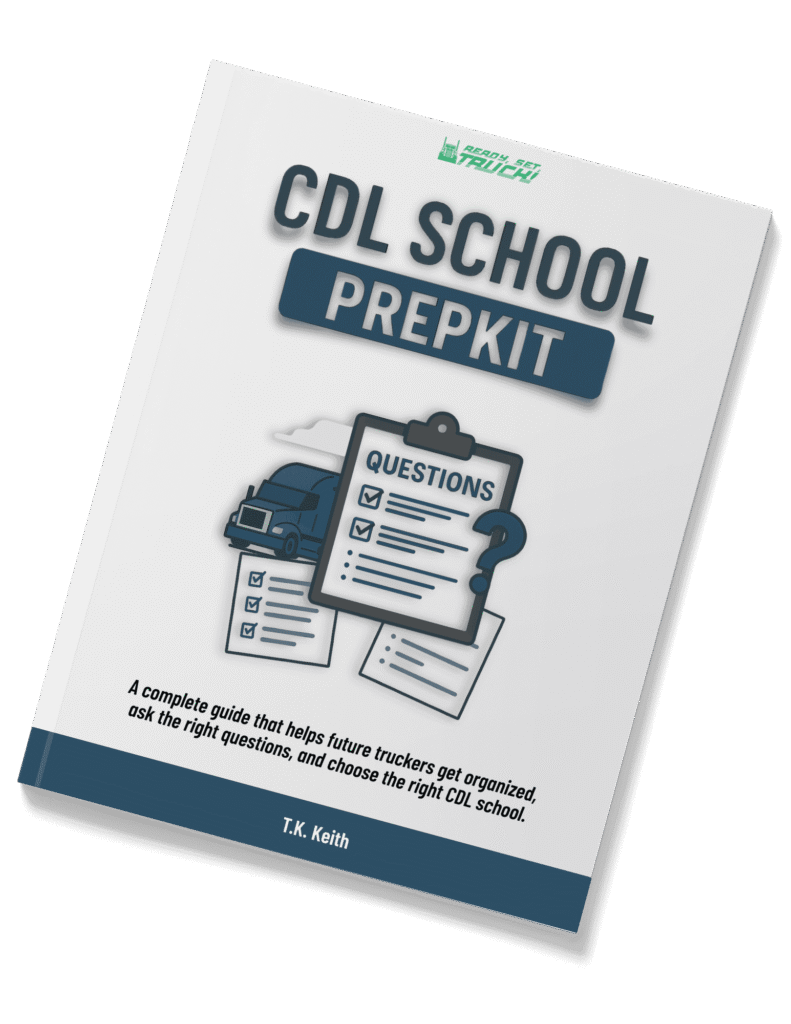
Free Download
Enter your details below to access your FREE CDL School Prepkit
We process your personal data as stated in our Privacy Policy. You may withdraw your consent at any time by clicking the unsubscribe link at the bottom of any of our emails.

T.K. Keith – “The Truckers Trainer”
After spending 20+ years as a trucker and over six years training new drivers. I know first hand the ups, downs, and lessons that come with the first year behind the wheel. Ready, Set, Truck! is my way of helping new drivers build confidence, make more money, and find success in trucking.
Readysettruck.com
No elements found...
Ready, Set, Truck! helps drivers succeed in their first year on the road with tools, tips, and resources to avoid going broke, burning out, or giving up.
TOOLS
Copyright © 2025 Ready, Set, Truck! LLC. • All Rights Reserved • Privacy Policy • Legal Policies